Why Is Padel More Social Than Tennis?
Padel is growing fast. But many players still ask: is it really more social than tennis? The answer might change how you think about both sports.
Padel is more social than tennis because it is almost always played in doubles, on a smaller enclosed court, which keeps players physically closer and talking more. The game forces teamwork, shared strategy, and regular interaction between all four players throughout every point.
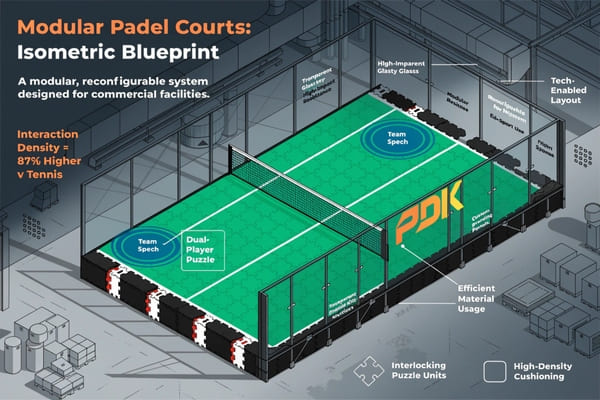
I have spent years watching both sports grow across Europe and beyond. One thing I keep seeing is this: padel players stay after their game and talk. Tennis players often pack up and leave. That difference is not random. It comes from how the game is built. The court, the rules, the format — all of it pushes people together. I want to break down exactly why that happens.
Is the Court Size the Reason Padel Feels More Connected?
Most people think sport is social because of the people. But the physical space matters more than you think. A smaller court changes everything about how players feel during a game.
A padel court1 is 20 x 10 meters. A tennis court2 is 23.77 x 10.97 meters for singles, and even wider for doubles. The smaller padel court keeps all four players within a closer range at all times, which makes conversation and eye contact natural and frequent.
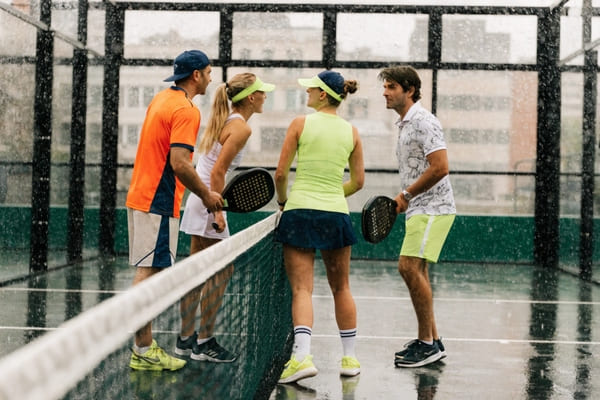
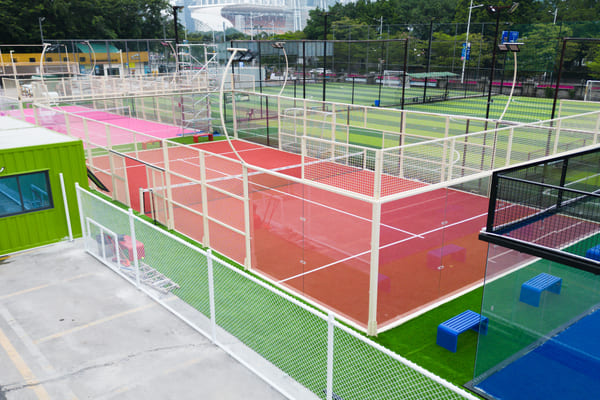
The enclosed glass walls3 are also part of this. In tennis, the ball goes out and the point ends. In padel, the ball can bounce off the back wall and stay in play. This means players have to read each other’s positions constantly. They have to communicate. The court does not give them the option to play alone.
How Does Court Size Change the Feel of the Game?
| Feature | Padel Court | Tennis Court |
|---|---|---|
| Length | 20 m | 23.77 m |
| Width | 10 m | 8.23 m (singles) / 10.97 m (doubles) |
| Walls | Yes (glass + metal mesh) | No |
| Format | Always doubles | Singles or doubles |
| Player distance | Close | Far |
The numbers above show a clear gap. But the walls are the part most people miss. Because the ball stays in play longer off the walls, rallies last more time. Longer rallies mean more shared moments4 between players. More shared moments mean more emotional connection during the game. I have seen this on our own demo courts at trade shows. Players who have never met each other are laughing and shouting together after just ten minutes of padel. That almost never happens on a tennis court in the same short time. The court design is not just a technical choice. It is a social tool. When you build a padel court, you are building a space that forces people to interact. This is one of the biggest reasons clubs are investing in padel over tennis right now.
Does Doubles Format Give Padel a Strategy Advantage for Social Play?
Singles tennis is a battle between two people. The social side is limited. Padel is always four people on one court. That alone changes the social dynamic completely.
Padel is always played in doubles5. This means every point requires communication between partners. Players must agree on positioning, shots, and tactics in real time. This shared decision-making6 builds a natural bond that singles sports cannot create in the same way.
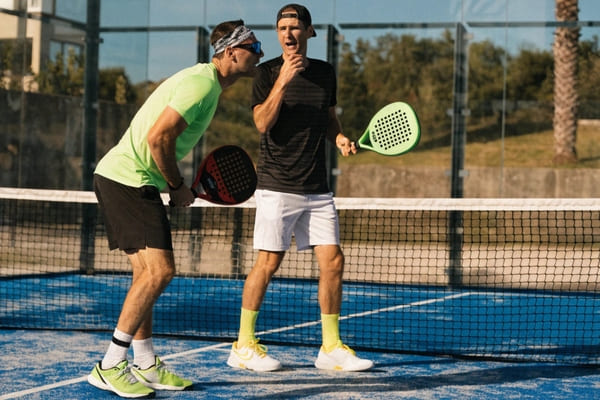
In tennis doubles, partners still spend most of the time far apart. In padel, partners stand side by side at the net or both at the back. They move together. They cover together. Every mistake is shared. Every great shot is shared too.
Why Does Doubles Format Build Stronger Social Bonds?
The psychology behind team sports7 is well studied. When two people face a challenge together, they form a stronger connection than when they face it alone. Padel forces this at every level, from beginner to advanced.
| Social Element | Padel Doubles | Tennis Doubles | Tennis Singles |
|---|---|---|---|
| Real-time communication | High | Low–Medium | Very Low |
| Shared celebration | High | Medium | Low |
| Tactical discussion | Constant | Occasional | None |
| Physical proximity | Close | Spread out | Separate |
| Emotional connection per game | Strong | Moderate | Weak |
I spoke with several club managers at a trade show last year. Every one of them said the same thing: padel bookings are almost always made in groups of four. Tennis bookings are often singles or pairs. That difference shows up in how long people stay at the club after their game. Padel groups tend to stay and socialize. The doubles format creates a shared experience8. A shared experience gives people something to talk about. That is the social engine of padel. It runs every time four people step on a court together.
Does Padel Create a Stronger Community and Club Culture Than Tennis?
Walk into a padel club on a weekday evening. Then walk into a tennis club at the same time. The difference in energy is visible immediately. Padel clubs feel busier, louder, and more connected.
Padel naturally builds club culture9 because the format requires groups of four, encourages mixed-ability play, and supports social events like round-robins and americano tournaments. These formats rotate partners and opponents, so every player meets and plays with many others in one session.
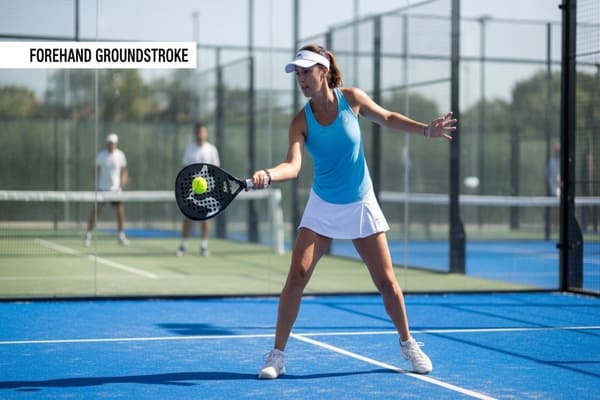
The americano format10 is one of the biggest reasons for this. In an americano, partners rotate every few games. By the end of the session, you have played with and against almost everyone in the group. This is not possible in standard tennis formats. Tennis club culture exists, but it tends to form in smaller, fixed groups. Padel club culture9 spreads across the whole venue.
What Makes Padel Club Culture Different from Tennis?
Padel clubs are investing heavily in social infrastructure11. Bars, terraces, and viewing areas are built next to the courts, not away from them. The glass walls mean spectators can watch easily. Watching creates conversation. Conversation builds community.
| Club Culture Factor | Padel | Tennis |
|---|---|---|
| Common social formats | Americano, round-robin | League, ladder |
| Partner rotation | Built into format | Rarely done |
| Spectator visibility | High (glass walls) | Lower |
| Post-game socializing | Common and expected | Less common |
| Entry barrier for new players | Low | Medium–High |
I have seen this firsthand when talking to distributors in Spain and the Netherlands. They tell me their club clients want courts that look good from the outside. The glass wall is not just a playing surface. It is a display window. People passing by see the game happening. They stop. They watch. They want to try. This loop of visibility and participation is how padel builds community faster than almost any other sport. The physical design of the court supports the social culture of the sport. That is a strong combination. It is also one of the key reasons why clubs across Europe are replacing tennis courts with padel courts right now.
Conclusion
Padel beats tennis on social play because of three things: a smaller court, a doubles-only format, and a club culture built for groups. These are not small differences.
-
Understanding the unique features of a padel court can enhance your appreciation for the game and its social dynamics. ↩
-
Exploring the differences between tennis and padel courts can provide insights into how each sport fosters player interaction. ↩
-
Discover how enclosed glass walls in padel courts influence gameplay and player communication, enhancing the overall experience. ↩
-
Learn about the significance of shared moments in sports and how they contribute to emotional connections among players. ↩
-
Discover how the doubles format in padel enhances teamwork and social interaction, making it a unique sport. ↩
-
Explore the importance of shared decision-making in sports and how it fosters stronger bonds among players. ↩
-
Learn about the psychological aspects of team sports and how they contribute to building social connections. ↩
-
Understand the significance of shared experiences in sports and how they enhance social interactions and enjoyment. ↩
-
Understanding club culture can enhance your appreciation for community dynamics in sports. ↩ ↩
-
Explore the unique americano format to see how it fosters social interaction and community in padel. ↩
-
Discover how social infrastructure can transform sports clubs into vibrant community hubs. ↩