What Type of Padel Racket Is Best for Your Game?
Choosing the wrong padel racket can hurt your performance and even cause injuries. Many players waste money buying rackets that don’t match their skill level or playing style.
The best padel racket depends on your skill level and playing style. Beginners need round-shaped, soft rackets with larger sweet spots, while advanced players prefer diamond or teardrop shapes with stiffer carbon fiber (12K) for more power and control.
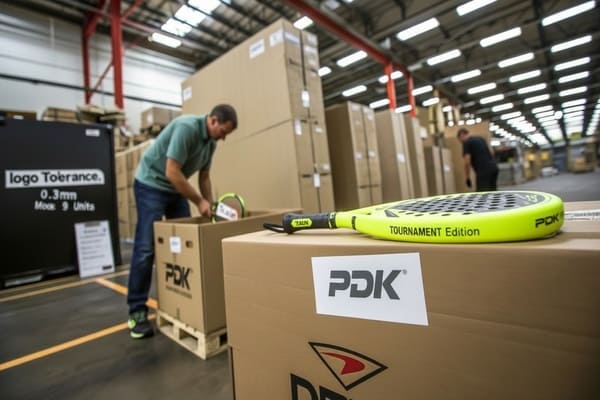
After testing countless models, I can tell you exactly what works for different player types.
What Type of Padel Racket Should I Buy?
I see this mistake all the time. Players buy expensive professional rackets when they’re just starting out, leading to frustration and poor technique development.
Beginners should buy round-shaped rackets with soft EVA foam cores and 360-380g weight. Intermediate players benefit from teardrop shapes with medium hardness, while advanced players need diamond shapes with 12K carbon fiber and harder cores for maximum power.
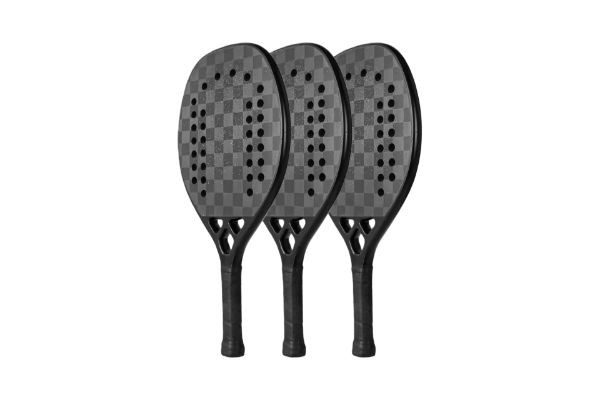
The right racket selection makes a massive difference in your game development and enjoyment. Here’s my breakdown based on player profiles:
Racket Selection by Player Level
| Player Level | Shape | Weight | Core Material | Carbon Type |
|---|---|---|---|---|
| Beginner | Round | 360-370g | Soft EVA | 3K Carbon |
| Intermediate | Teardrop | 365-380g | Medium EVA | 6K Carbon |
| Advanced | Diamond | 370-390g | Hard EVA/Foam | 12K Carbon |
Beyond these basic specifications, grip size matters significantly. Most players use a 4 1/4 inch (European size 2) grip, but hand size varies. I always recommend testing grip comfort before bulk ordering.
Balance point is another critical factor. A racket with low balance (head-light) offers better maneuverability, perfect for defensive players. High balance (head-heavy) rackets deliver more power for attacking players. Medium balance suits all-around game styles.
Which Is Better: 3K, 6K, or 12K Carbon?
Many buyers focus solely on carbon weave numbers without understanding what they actually mean. This confusion leads to purchasing rackets that don’t match their needs.
12K carbon provides the stiffest, most powerful response for advanced players. 6K carbon offers balanced flex and durability for intermediate players. 3K carbon delivers softer, more forgiving feel ideal for beginners and recreational players.
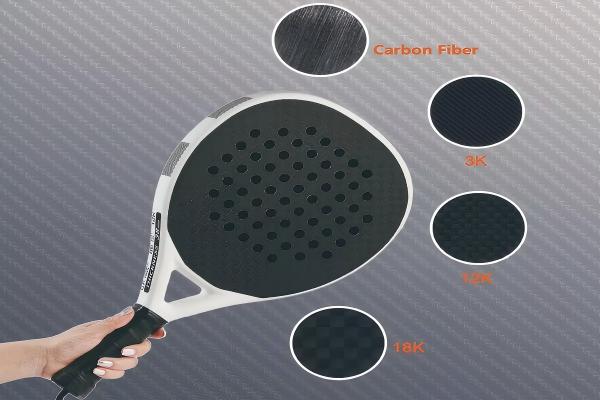
Understanding carbon fiber specifications helps you make informed purchasing decisions. The "K" refers to thousands of carbon filaments in each bundle:
Carbon Fiber Comparison
| Carbon Type | Filament Count | Characteristics | Best For |
|---|---|---|---|
| 3K | 3,000 per bundle | Softer, flexible | Beginners |
| 6K | 6,000 per bundle | Balanced stiffness | Intermediate |
| 12K | 12,000 per bundle | Rigid, powerful | Advanced |
From my manufacturing experience, 12K carbon rackets use denser fiber weaving, creating a stiffer surface that transfers more energy to the ball. This increases power but reduces vibration absorption. Players with slower swing speeds may find 12K rackets too harsh on their arms.
6K carbon strikes an excellent middle ground. It provides enough stiffness for good ball response while maintaining some flex for comfort. This makes it the most versatile option for growing your customer base.
3K carbon works best for players prioritizing comfort over power. The looser weave absorbs more impact vibration, reducing arm strain during long playing sessions. This carbon type also costs less to manufacture, allowing competitive pricing for entry-level markets.
What Is the Best Shape Padel Racket?
Players often choose racket shapes based on appearance rather than function. This leads to poor performance and dissatisfaction with their purchase.
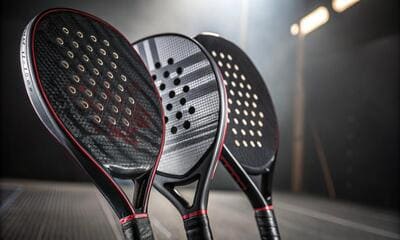
Round-shaped rackets offer the largest sweet spot and best control, ideal for beginners. Teardrop (hybrid) shapes balance power and control for versatile play. Diamond-shaped rackets concentrate weight in the head for maximum power but require precise hitting technique.
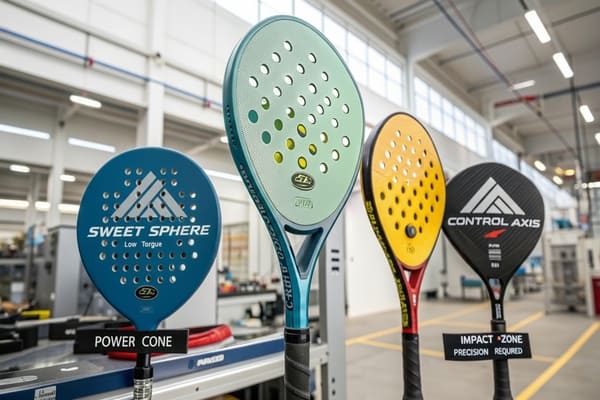
Racket shape directly affects how the racket performs and who should use it. Here’s what I’ve learned from extensive product testing:
Shape Performance Analysis
-
Round Shape:
- Sweet spot location: Center
- Balance point: Low (head-light)
- Power level: Low to medium
- Control level: Excellent
- Maneuverability: High
- Recommended for: Beginners, defensive players
-
Teardrop Shape:
- Sweet spot location: Center-upper area
- Balance point: Medium
- Power level: Medium
- Control level: Good
- Maneuverability: Medium
- Recommended for: Intermediate, all-around players
-
Diamond Shape:
- Sweet spot location: Upper area
- Balance point: High (head-heavy)
- Power level: Maximum
- Control level: Requires skill
- Maneuverability: Lower
- Recommended for: Advanced, attacking players
The shape you choose should match your target customer’s playing style. Round shapes sell best in beginner markets because they’re forgiving and easy to use. Diamond shapes appeal to experienced players seeking competitive advantages.
Weight distribution changes dramatically with shape. Round rackets feel lighter and easier to swing despite similar actual weights. Diamond rackets feel heavier due to head-heavy balance, requiring stronger wrist and arm strength.
Conclusion
The best padel racket matches your skill level and playing style. Beginners need round, soft rackets, intermediates benefit from teardrop shapes with 6K carbon, and advanced players maximize performance with diamond-shaped 12K carbon rackets.