What Materials Do You Need for Padel Court Construction?
Building a padel court seems overwhelming at first. Many club owners and contractors struggle with choosing the right materials and dimensions, leading to costly mistakes and delays.
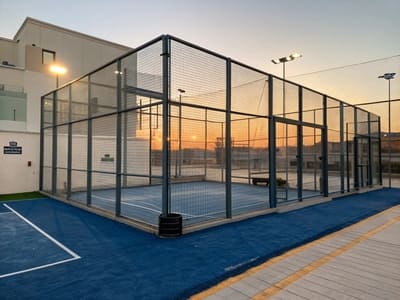
A professional padel court requires specific materials including tempered glass panels (10-12mm thick), artificial turf (12-14mm pile height), steel structures, and LED lighting systems. The court measures 20m x 10m with strict dimensional requirements for walls and posts.
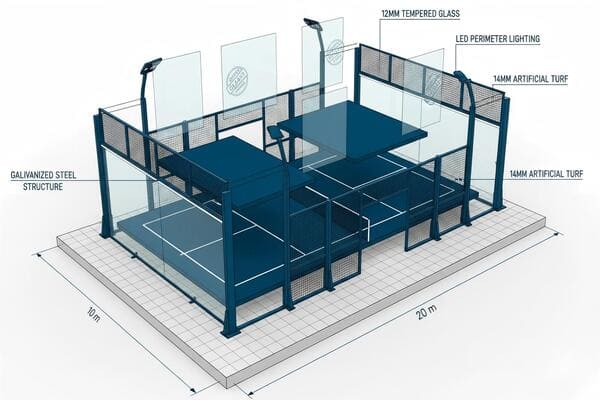
I’ve helped build over 50 padel courts across Europe, and I know firsthand how critical proper material selection is. Let me share the key specifications you need to know for a successful court build.
What Are the Standard Dimensions of a Padel Court?
Many first-time builders make the mistake of not following official measurements. This can lead to rejected certifications and unhappy players who find the court doesn’t play right.
A regulation padel court1 measures exactly 20 meters long by 10 meters wide, with glass walls 3 meters high on the ends and 4 meters high on parts of the sides. The playing surface must be perfectly level with proper drainage2.
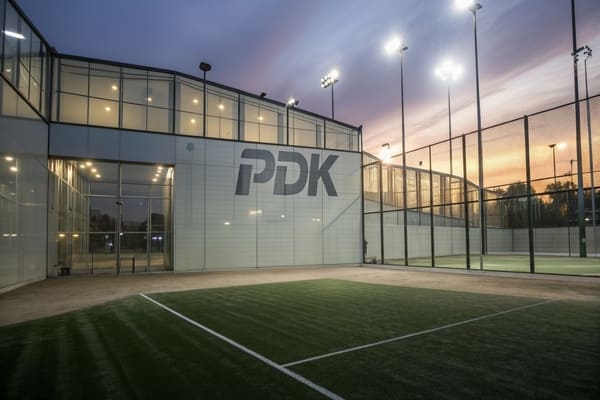
Getting the dimensions right is crucial for tournament play and player satisfaction. Here’s a detailed breakdown of the measurements:
Key Court Measurements
| Element | Dimension |
|---|---|
| Total Length | 20 meters |
| Total Width | 10 meters |
| End Wall Height | 3 meters |
| Side Wall Height | 4 meters (partial) |
| Door Width | 0.8 meters |
| Net Height | 0.88 meters center |
| Service Line Distance | 6.95 meters from net |
Beyond these basic measurements, proper spacing between glass panels and precise angles for metallic posts are essential. I always recommend using laser measurement tools and professional installers to ensure exact compliance with official standards.
What Materials Are Used for Professional Padel Courts?
After seeing countless court installations, I’ve noticed that using lower quality materials often leads to expensive repairs within just 1-2 years of installation.
The main components needed are tempered safety glass panels (10-12mm thick), galvanized steel structure, synthetic turf (12-14mm pile height), and proper lighting systems designed for sports facilities.
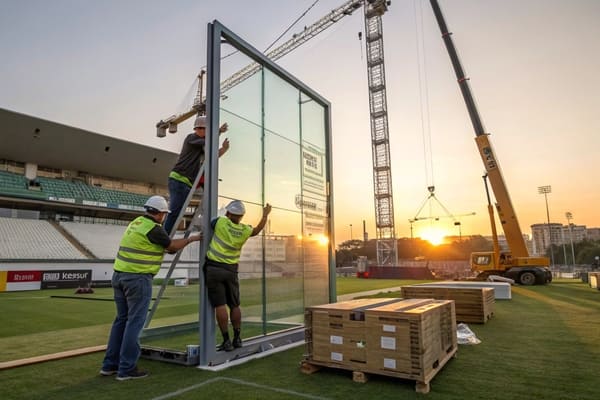
The quality and durability of your padel court depend heavily on material selection. Here’s what I’ve learned from years of court construction:
Essential Material Specifications
-
Glass Panels:
- Tempered safety glass
- 10-12mm thickness
- UV-resistant treatment
- Polished edges
-
Steel Structure:
- Hot-dip galvanized steel
- Powder-coated finish
- Anti-corrosion treatment
- 80x40mm minimum profile
-
Artificial Turf:
- 12-14mm pile height
- UV-stabilized fibers
- Sand-filled system
- Water-permeable backing
Proper material selection impacts not just durability but also player safety and maintenance costs. I always advise clients to invest in high-quality materials upfront to avoid frequent replacements.
What Is the Best Surface for a Padel Court?
I’ve seen courts with various surfaces, from basic concrete to premium artificial turf. Players consistently prefer professional-grade artificial turf3 for its optimal ball bounce and comfort.
The best surface for a padel court is artificial turf with 12-14mm pile height4, filled with silica sand at a rate of 16-19 kg/m². This provides the ideal balance of ball speed, player comfort, and durability.
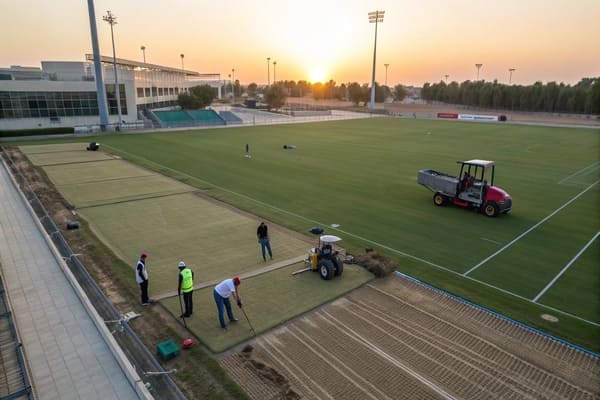
When it comes to court surfacing, several factors need consideration:
Surface Requirements Analysis
| Factor | Specification | Importance |
|---|---|---|
| Pile Height | 12-14mm | Ball bounce control |
| Sand Infill | 16-19 kg/m² | Surface stability |
| Fiber Type | Monofilament | Durability |
| Color | Blue/Green | Player visibility |
| Drainage | 60L/m²/min | Weather resistance |
The surface choice affects everything from player performance to maintenance requirements. A quality artificial turf system will provide consistent play characteristics and require minimal upkeep when properly installed.
Conclusion
Building a professional padel court requires careful attention to dimensions, quality materials, and proper surfacing. Using the right specifications and materials ensures a long-lasting, tournament-ready facility that players will love.
-
Understanding the official dimensions is vital for builders and players to ensure compliance and optimal play. ↩
-
Proper drainage prevents water accumulation, ensuring a safe and playable surface, which is crucial for player satisfaction. ↩
-
Explore the advantages of artificial turf, including durability and optimal play conditions, essential for any padel court. ↩
-
Understanding pile height is crucial for enhancing ball bounce and player comfort on padel courts. ↩