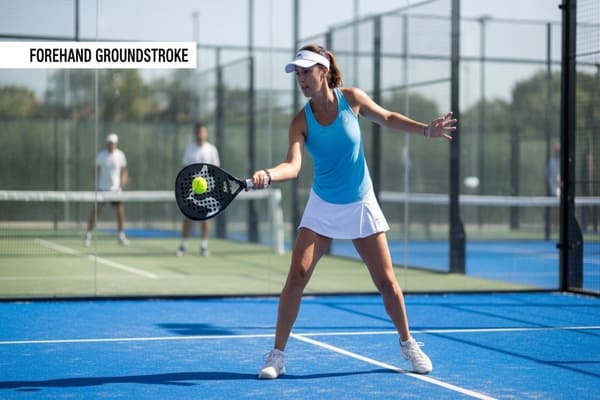
Choosing the Right Paddle Tennis Racquet
Choosing the right paddle tennis racquet can transform your game. It’s not just about picking any racquet off the shelf.
The right choice depends on several factors. Your skill level, playing style, and personal preferences all play a role.
Paddle tennis racquets differ from traditional tennis racquets. They vary in size, weight, and material.
Understanding these differences is crucial. It helps you make an informed decision.
Weight affects control and power. Lighter racquets offer more control, while heavier ones provide more power.
Balance is another key factor. Head-heavy racquets deliver power, while head-light ones offer better maneuverability.
Grip size impacts comfort and control. A proper grip size can even prevent injuries.
This guide will help you navigate these choices. You’ll learn how to select the best paddle tennis racquet for your needs.
Understanding Paddle Tennis and Its Equipment
Paddle tennis is distinct from regular tennis in many ways. It primarily uses a solid paddle instead of strung racquets.
The court is smaller. It has a lower net, which alters gameplay significantly. Though the game resembles tennis, rules and equipment differ.
Understanding the right equipment is crucial for performance. A paddle racquet is at the heart of the game. Choosing wisely impacts playability.
Let’s break down the key equipment components:
- Racquet: Different shapes and materials
- Balls: Smaller and less pressurized than tennis balls
- Court: Smaller dimensions and lower net
- Footwear: Shoes designed for grip and agility
Familiarity with these details can enhance your paddle tennis experience. Each element contributes to your overall performance. Focus on selecting equipment tailored to your style.
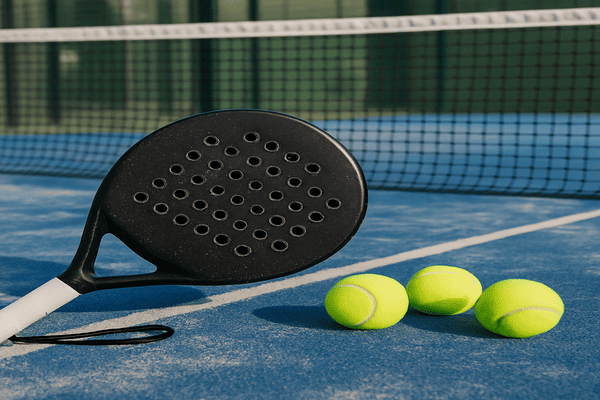
Understanding these basics prepares you for our deep dive into racquet specifications and options.
Types of Paddle Tennis Racquets: Platform, Padel, and More
Paddle tennis racquets come in various forms, each tailored for a specific game variant. Platform tennis, padel, and other styles require different equipment specifications.
Platform tennis racquets generally have a shorter handle and are used with solid core rubber balls. They are designed to withstand extreme outdoor conditions.
Padel racquets, on the other hand, feature perforations on the hitting surface. This design helps in reducing air resistance and enhancing maneuverability.
Other paddle tennis racquet types include:
- Pickleball paddles: Smaller, made of composite materials
- Pop tennis racquets: Similar to platform tennis but used on a different court surface
Choosing the right type depends on the particular variant of paddle tennis you are interested in. It’s important to note the differences in material and design.
Understanding these distinctions aids in selecting the most suitable paddle racquet for your game. The right choice can make a significant difference in your play.
Key Racquet Specifications Explained
When choosing a paddle tennis racquet, understanding key specifications is essential. These factors affect performance and suitability for your style.
Weight, balance, and grip size are among the primary considerations. Weight influences how powerful your hits are, while balance affects maneuverability. Comfort and control are determined by grip size and material.
Here are the main specifications to consider:
- Weight: Heavier racquets provide power; lighter ones offer control
- Balance: Head-heavy racquets add power; head-light ones offer precision
- Grip Size: Ensures comfort, control, and prevents injuries
The material of a racquet’s frame and strings impacts its durability. Most racquets are made from carbon fiber or fiberglass.
Racquet shape and its associated sweet spot play a pivotal role. Different shapes cater to different skill levels and playing styles.
Texture on the racquet’s surface can enhance spin control. Understanding all these factors can help in making an informed racquet selection.

Ultimately, finding the perfect weight involves balancing power with manageability. This balance ensures maximum efficiency and reduces potential for injury.
Balance: Head-Heavy vs. Head-Light
Balance is a crucial aspect of racquet selection. Head-heavy racquets offer enhanced power. They are favored by aggressive players who enjoy smashing the ball.
Head-light racquets, on the other hand, provide greater control and quick maneuvering. Defensive players tend to prefer this type for its agility.
Balance types include:
- Head-heavy: More powerful shots
- Head-light: Better control and flexibility
- Even balance: Mix of both power and control
Selecting the right balance aids in improving your overall performance. Understand your playing tendencies for a better match.
Trying different racquet balances can help you discover your preferred level of playability. This choice can refine your game significantly.
Grip Size and Comfort
Grip size affects both comfort and control on the court. An incorrect grip size can lead to discomfort and even injuries.
The right grip size enhances racquet handling. A secure grip offers more control over your shots and reduces strain on your hand.
Factors to consider for grip size:
- Too small: May cause your hand to overwork
- Too large: Can reduce wrist action and control
- Just right: Provides comfort and optimal wrist movement
Measuring the perfect grip size is straightforward. Most racquets are available in multiple sizes to ensure a good fit.
Test different sizes to find the most comfortable option for your hand. This selection ensures less fatigue and more enjoyable playing experience.
Material and Construction
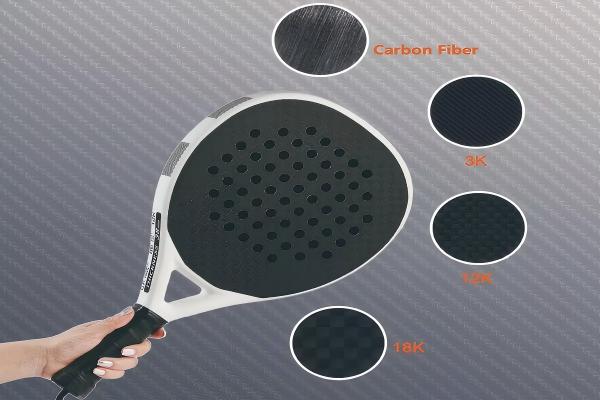
The material of your racquet affects durability and performance. Most modern paddle tennis racquets are crafted from advanced composites like carbon fiber. This ensures lightweight endurance and high performance.
Materials impact various playing characteristics. Carbon fiber racquets offer strength without unnecessary weight. Fiberglass alternatives are less costly but still provide flexibility.
Common materials include:
- Carbon fiber: Durable and lightweight
- Fiberglass: Flexible, cost-effective
- Graphene: Improves strength with less bulk
The choice of material should align with your budget and desired playing style. High-quality material often results in better longevity.
Evaluate different construction types to suit your needs. This investigation leads to more informed purchasing decisions.
Racquet Shape and Sweet Spot
Racquet shape directly affects the sweet spot’s locati0n and size. The sweet spot is the area on the racquet face that delivers optimal contact with the ball.
Rounded shapes typically have larger sweet spots, offering more forgiveness on off-center hits. Advanced players may prefer teardrop shapes for better precision.
Shapes include:
- Round shape: Larger sweet spots; ideal for beginners
- Teardrop shape: Smaller sweet spots; offers better control
- Diamond shape: Suited for advanced players seeking precision
Understanding shape nuances helps players select racquets that enhance their strengths. This choice impacts gameplay significantly.
By experimenting with various shapes, players can find one that harmonizes with their playing style.
Surface Texture and Spin
The surface texture influences spin and ball control. A textured racquet face can grip the ball longer, imparting more spin during shots.
Smooth surfaces promote clean, fast hits. Textured or gritty surfaces allow for increased control over spin, benefiting players focused on tactical play.
Here’s what to consider:
- Textured surfaces: Enhanced spin and control
- Smooth surfaces: Faster shots with less spin
- Gritty surfaces: Improved ball grip and manipulation
The choice between smooth and textured depends on your desired play style.
Testing different textures can help optimize your spin control, matching your strategic needs effectively.
Matching Racquet to Skill Level
Choosing the right racquet depends greatly on your skill level. Different levels of players have varying needs and preferences. Understanding these differences ensures a better match for optimal performance.
For beginners, ease of use and forgiveness are vital. These racquets should facilitate learning and make the game enjoyable. Intermediate players, however, seek a balance between power and precision. This balance helps them refine skills and performance.
Advanced players often look for racquets allowing customization and high-performance capabilities. These racquets let them fine-tune their play style with precision.
Consider these categories when choosing a racquet:
- Beginners: Large sweet spots, lightweight racquets
- Intermediate: Balanced racquets, moderate sweet spots
- Advanced: Customizable, high-performance racquets
Skill level influences every aspect of racquet choice. Evaluating your current abilities can guide you to the right racquet.
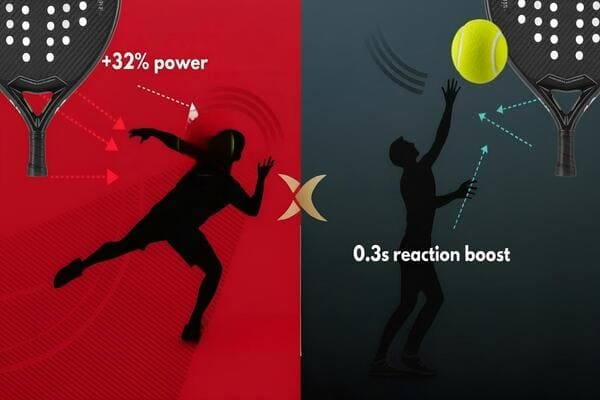
Selecting a racquet tailored to your development stage can significantly impact your improvement and enjoyment of the game.
Beginners: Forgiveness and Ease of Use
For newcomers, racquets that offer forgiveness are crucial. These racquets should help players adapt without overwhelming them. Lightweight and easy-to-maneuver racquets are ideal.
A larger sweet spot can make learning easier by reducing mishits. This specification boosts confidence, making the playing experience enjoyable.
Considerations for beginners:
- Larger sweet spots: Minimize errors for easier learning
- Lightweight materials: Facilitate handling and control
- Comfortable grips: Prevent strain and enhance control
Choosing a racquet that aids in the learning curve can encourage new players to stick with the sport longer.
By using an approachable racquet, beginners can focus more on developing their skills comfortably.
Intermediate Players: Balancing Power and Precision
Intermediate players need a racquet that bridges power and precision. This level often involves honing skills and adapting to various strategies. A balanced racquet can facilitate this growth.
These players benefit from moderate sweet spot racquets. This allows room for improving accuracy without sacrificing power.
Key traits for intermediates include:
- Balanced weight: Supports both defensive and offensive play
- Mid-sized sweet spot: Encourages precision without losing power
- Responsive materials: Ensures effective strike performance
Selecting the right balance assists in refining technique while enjoying versatility.
The right intermediate racquet fosters technical growth, helping players transition to more advanced levels comfortably.
Advanced Players: Customization and Performance
Advanced players demand racquets that cater to high levels of skill. Customizability and performance are the main priorities. These racquets allow personal adjustments to match individual playing styles.
At this stage, players benefit from smaller sweet spots for precision and control. Technology-enhanced racquets provide unique performance advantages.
Advanced player considerations:
- Customizable features: Personalize weight and balance
- Small sweet spots: Offer high precision for skilled strikes
- High-tech materials: Enhance durability and performance
Choosing a racquet that allows detailed customization boosts expert players’ effectiveness and enjoyment.
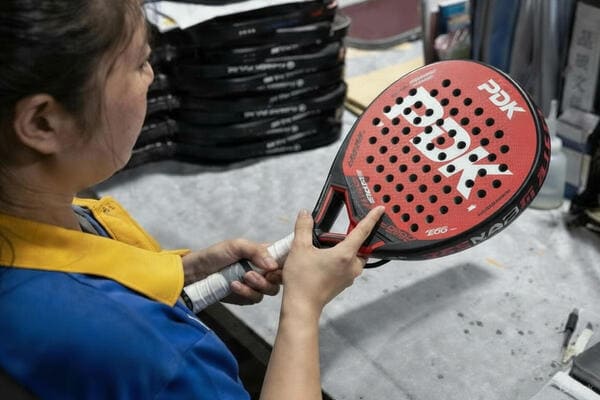
With a racquet designed for high proficiency, advanced players can maximize their potential on the court.
Playing Style and Racquet Choice
Different playing styles demand racquets tailored to specific needs. Recognizing your unique playing characteristics can help guide your selection. This involves evaluating both your strengths and areas needing improvement.
Aggressive players often prioritize power and need racquets that offer energy transfer. Heavier racquets with head-heavy balance might suit their needs. In contrast, defensive players may value control and maneuverability. They might prefer lighter racquets with head-light designs.
If you enjoy serving and volleying, you might seek a versatile racquet. This style benefits from balanced weight and a medium-sized sweet spot. For baseline players who love long rallies, choosing a racquet emphasizing endurance and control is key.
Here’s a quick guide based on playing style:
- Aggressive Players: Power-oriented, heavier racquets
- Defensive Players: Light, maneuverable racquets
- All-Court Players: Versatile, balanced racquets
Choosing a racquet that complements your playing style can enhance your game. Tailored equipment ensures you capitalize on your natural abilities efficiently.
Budget Considerations and Value for Money
Selecting the right paddle tennis racquet is not just about features and style. Affordability plays a crucial role in making a wise decision. Setting a clear budget helps focus on racquet options that fit within your financial range.
Some racquets offer high-end materials and advanced technology. These often come with a higher price tag but provide durability and superior performance. However, some affordable racquets still deliver great value for recreational play.
When assessing value for money, consider how often you play. Frequent players might justify spending more for durability and performance. Occasional players might prefer more economical options without sacrificing quality.
Here are factors influencing price and value:
- Material Quality: Carbon fiber vs. composite materials
- Brand Reputation: Established brands often cost more
- Technology & Features: Advanced systems can add to the price
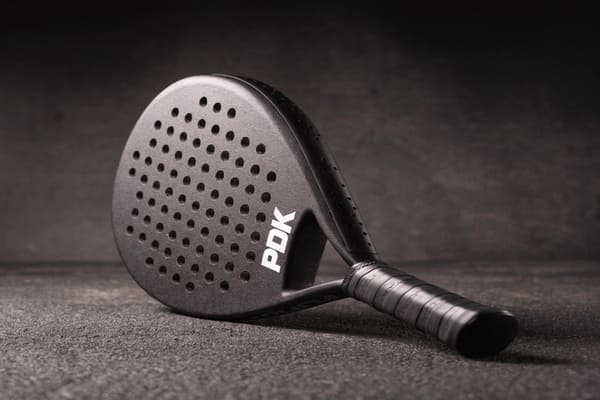
Understanding these factors ensures you invest wisely, finding a racquet that balances cost with performance.
Testing and Demoing Racquets Before Buying
Trying out different racquets before purchasing can greatly enhance your selection process. Demo programs allow you to test various racquet styles to identify what fits best with your game.
Feel the weight and grip in your hands. Judge how the racquet reacts to your playing style. Assess its power, control, and comfort during practice sessions. This experience can be invaluable in choosing the right model.
Here are some tips for effective testing:
- Visit Local Clubs: Many offer demo days
- Ask for Recommendations: Talk to fellow players
- Note Your Preferences: Make a list of likes and dislikes
Experiencing different models firsthand is the best way to pinpoint the ideal racquet, ensuring satisfaction with your investment.
Maintenance and Longevity of Your Paddle Tennis Racquet
Proper care can significantly extend the life of your paddle tennis racquet. Regular maintenance ensures consistent performance and durability. Pay attention to a few key areas for optimal results.
Firstly, keep your racquet clean and dry. Wipe it down with a damp cloth after each use to remove sweat and dirt. Store it in a cool, dry place to prevent moisture damage.
Secondly, monitor the grip and strings. Replace worn grips for a secure hold. Inspect strings for fraying or breaks and restring as needed.
Important maintenance tips include:
- Replace grips regularly
- Wipe down after each session
- Store in protective covers
By following these steps, you’ll preserve your racquet’s condition and enhance your game’s enjoyment.
Customization Options for Paddle Tennis Racquets
Customization allows players to tailor their paddle tennis racquets for better performance. Adjustments can enhance comfort and match personal playing styles. Simple modifications often yield significant improvements.
Start with the grip to achieve a perfect fit. You can increase the grip size by adding layers of overgrip or reducing it by removing existing ones. Experimenting with grip thickness might improve control and comfort.
Another key adjustment involves adding weight to the racquet. Lead tape can help balance your racquet, providing more power or control as desired.
Popular customization options include:
- Changing grip sizes
- Altering balance with weights
- Using vibration dampeners
These adjustments not only optimize racquet performance but also enhance your enjoyment on the court.
Brand Reputation, Reviews, and Where to Buy
Choosing a reputable brand is crucial when selecting a paddle tennis racquet. Established brands often offer high-quality products. Their experience ensures reliable performance and durability.
Reviews provide insights from other players. Reading reviews can highlight common issues or praises about specific racquet models. User feedback often reveals real-world performance aspects.
Consider these when purchasing:
- Check trusted online stores for deals
- Visit sporting goods stores for in-person advice
- Look out for brands with strong customer support
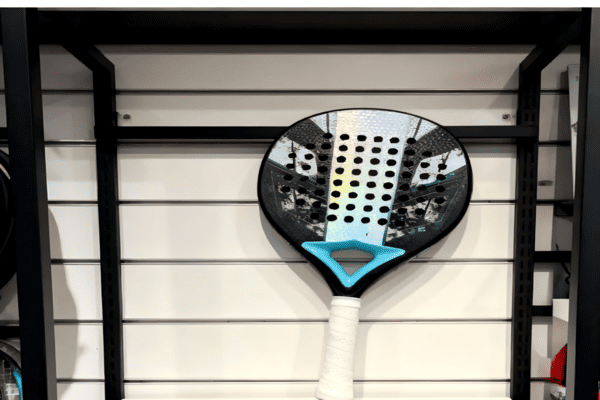
By focusing on reputable brands and credible reviews, you enhance your chance of picking the right racquet. This approach ensures long-lasting satisfaction on the court.
Environmental Factors and Racquet Performance
Environmental conditions can impact racquet performance. Humidity, temperature, and altitude play a role in how your racquet handles. It’s essential to understand these elements to maintain optimum playability.
Factors to consider:
- High humidity may affect grip control
- Extreme temperatures could alter racquet durability
- Altitude might influence ball bounce and speed
Being aware of these conditions helps you adjust your playing strategy. It ensures your racquet performs well, regardless of external changes.
Frequently Asked Questions About Paddle Tennis Racquets
Many players have questions when selecting a paddle tennis racquet. Here are some answers to common queries.
What Should I Consider When Choosing a Racquet?
When selecting a racquet, consider:
- Weight and balance for comfort
- Grip size for control
- Material for durability
These aspects will ensure you choose a racquet that matches your playing style and level.
How Do I Maintain My Racquet?
Proper maintenance extends the life of your racquet. Here’s how:
- Regularly replace worn grips
- Keep the racquet clean and dry
- Store it in a temperature-controlled environment
Taking these steps keeps your racquet in top condition.
For more detailed guidance, players are encouraged to consult experts. This approach ensures informed decisions that enhance your game.
Conclusion: Making the Right Choice for Your Game
Choosing the right paddle tennis racquet can elevate your gameplay. Consider both your skill level and personal preferences. This ensures the racquet complements your unique playing style.
Evaluating key racquet specifications is essential. Factors like weight, balance, and material play significant roles in performance. Test different racquets to find the most comfortable fit.
Finally, remember to maintain your racquet. Regular care will enhance its lifespan and performance. With the right racquet, you’ll enjoy an improved and more satisfying playing experience on the court.