Why Choose a Professional Padel Racket Factory in China for Your Brand?
European distributors and sports equipment buyers face increasing pressure to maintain margins while competing with established brands. They worry about quality consistency, communication barriers, and supply chain reliability when considering Chinese manufacturers.
Professional padel racket factories in China offer 30-40% cost savings compared to European production while maintaining international quality standards through advanced manufacturing systems, dedicated QC teams, and proven export experience. Top factories provide customization capabilities, MOQ flexibility, and stable supply chains for long-term partnership success.
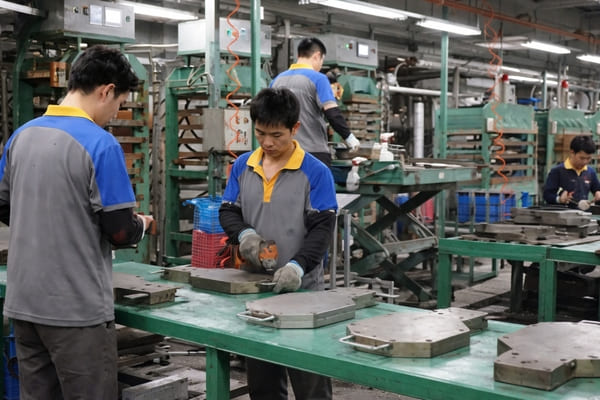
At PDK, I work with distributors across Europe, America, and the Middle East who initially hesitated about Chinese manufacturing. The successful partnerships share common elements that separate professional factories from basic suppliers.
How Can a Professional Factory in China Help Reduce My Production Costs?
Many distributors assume Chinese factories only compete on price through inferior materials and shortcuts. This misconception prevents them from discovering legitimate cost advantages that preserve quality while improving margins.
Professional Chinese padel racket factories reduce production costs by 30-40% through economies of scale, integrated supply chains, advanced automation, and optimized manufacturing processes. These savings come from operational efficiency rather than material compromise, allowing brands to maintain quality while improving competitiveness.
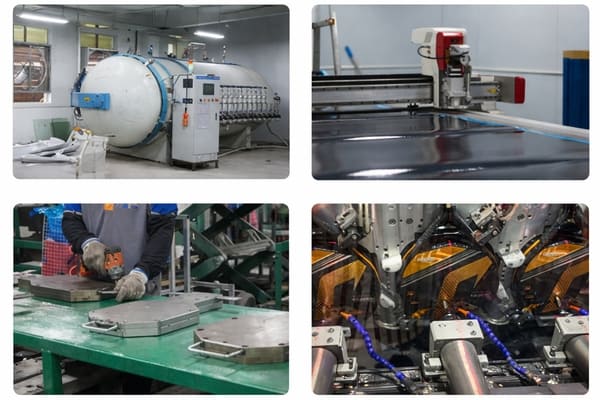
Understanding where cost advantages originate helps distributors make informed sourcing decisions. Here’s the detailed breakdown:
Cost Advantage Analysis
| Cost Component | European Production | China Professional Factory | Savings Percentage |
|---|---|---|---|
| Raw Materials | $15-20 per racket | $10-14 per racket | 25-35% |
| Labor Costs | $8-12 per racket | $3-5 per racket | 40-60% |
| Manufacturing Overhead | $5-8 per racket | $2-4 per racket | 35-50% |
| Tooling & Molds | $8,000-12,000 | $4,000-7,000 | 40-50% |
| Total Unit Cost | $28-40 | $15-23 | 35-45% |
Raw material sourcing creates the first layer of cost advantage. Professional Chinese factories maintain direct relationships with carbon fiber suppliers, foam core manufacturers, and resin producers. We purchase materials in container quantities rather than small batches, securing volume discounts of 20-30%. Our proximity to Asian material markets eliminates intermediary markups that European manufacturers absorb.
The integrated supply chain reduces transportation and handling costs significantly. At PDK, our five production lines sit within 50 kilometers of key component suppliers. This proximity cuts logistics costs by 40% compared to European facilities importing materials from multiple countries. We receive materials within 24-48 hours rather than waiting weeks for international shipments.
Labor efficiency stems from specialized training and optimized workflows rather than low wages alone. Our production teams focus exclusively on padel racket manufacturing, developing expertise that improves speed and reduces errors. A skilled Chinese worker completes racket assembly in 25-30 minutes compared to 40-50 minutes for generalist European workers learning padel-specific techniques.
Advanced automation investments pay off through volume production. Our CNC milling machines produce molds with 0.05mm precision, reducing material waste by 15-20%. Automated resin injection systems ensure consistent fiber-to-resin ratios, eliminating the variations that cause quality issues. These technologies require high initial investment but distribute costs across large production volumes.
Manufacturing overhead costs stay low through facility optimization. Chinese factories typically operate 6-day work weeks with two shifts, maximizing equipment utilization. Our electricity costs run 40-50% below European rates. Property costs in manufacturing zones are 60-70% lower than Western European industrial areas. These structural advantages compound into significant savings.
Mold and tooling development costs less due to China’s specialized tooling industry. We work with precision mold makers who produce padel-specific tooling at 40-50% below European quotes. Our engineering team optimizes designs for manufacturability, reducing revision cycles that add costs. Once approved, we maintain molds at our facility, eliminating storage fees other distributors face.
Volume production creates additional economies of scale. Producing 500 rackets uses nearly identical setup time as making 100 rackets, but spreads fixed costs across five times more units. At PDK, our minimum production runs of 200 units per design achieve cost efficiency while remaining accessible for mid-sized distributors.
Can a Chinese Padel Racket Factory Guarantee Consistent Quality for My Brand?
Quality concerns dominate conversations with first-time Chinese factory buyers. Past experiences with inconsistent suppliers make distributors skeptical about receiving products matching approved samples.
Professional Chinese padel racket factories maintain consistent quality through ISO-certified production systems, multi-stage inspection protocols, material traceability, and dedicated QC teams.
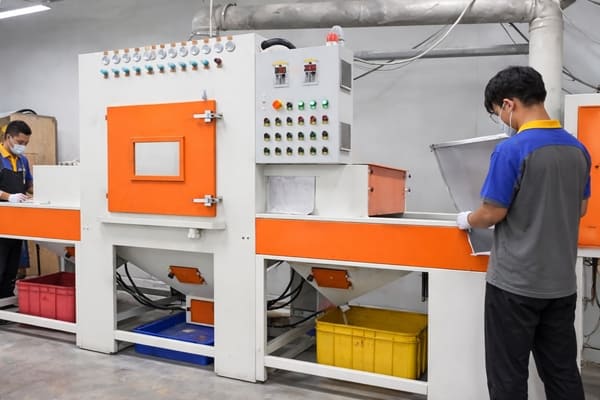
Quality consistency requires systematic approaches embedded throughout production. Here’s how professional factories achieve reliability:
Quality Control Framework
-
Material Verification Stage:
- Carbon fiber certification check (T700/T800 grade verification)
- Resin batch testing for viscosity and cure time
- Foam core density measurement (target: 80-100 kg/m³)
- Surface material inspection for defects
- Supplier scorecards tracking material consistency
- Acceptance rate target: 99.5% or higher
-
Production Process Controls:
- Mold temperature monitoring (±2°C tolerance)
- Resin injection pressure tracking
- Curing time verification with digital timers
- Lamination layer counting and verification
- In-process dimensional checks every 50 units
- Real-time defect tracking system
-
Finished Product Testing:
- Weight tolerance verification (±5g specification)
- Balance point measurement (±5mm tolerance)
- Surface finish inspection under controlled lighting
- Structural integrity stress testing
- Logo and graphics alignment check
- Final inspection rate: 100% of production
At PDK, our quality system follows ISO 9001 principles adapted for padel equipment manufacturing. Every production run begins with first-article inspection where we produce three sample rackets and verify all specifications before continuing. This catches design or setup issues before affecting entire batches.
Material traceability connects every finished racket back to source materials. We record carbon fiber batch numbers, resin lot codes, and foam supplier information for each production run. If quality issues emerge, we identify affected inventory within hours rather than days. This system protected one European distributor when a foam supplier shipped incorrect density material—we isolated and replaced 150 affected rackets before shipping.
Our QC team includes eight full-time inspectors with specialized training in composite materials and padel equipment standards. They understand not just what to measure, but why specifications matter for player performance. This knowledge helps them catch subtle issues that automated systems miss, like slightly uneven resin distribution that affects racket feel.
Third-party testing provides independent verification for skeptical buyers. We work with SGS and TÜV laboratories for material certification, structural testing, and compliance verification. These reports accompany shipments, giving distributors documentation for their retail partners and end customers.
Statistical process control tracks quality trends over time. We measure key parameters like weight variation, balance point consistency, and defect rates across production runs. When metrics drift toward specification limits, we intervene before producing out-of-spec products. This proactive approach maintains consistency that reactive inspection cannot achieve.
Customer-specific quality requirements integrate into our production planning. If your brand requires tighter weight tolerances than industry standard, we program those specs into our inspection protocols. If you need specific testing documentation for regulatory compliance, we generate required reports automatically. This flexibility separates professional factories from rigid manufacturers.
Is a China-Based Padel Racket Factory Reliable for Long-Term Cooperation?
Distributors fear investing time and resources into supplier relationships that collapse due to factory instability, communication breakdowns, or shifting business priorities. These concerns intensify when managing relationships across time zones and cultures.
Established Chinese padel racket factories provide reliable long-term partnerships through stable operations, professional communication systems, transparent business practices, and commitment to customer success. Key reliability indicators include multi-year operating history, diverse customer base, financial stability, and consistent attendance at international trade shows.
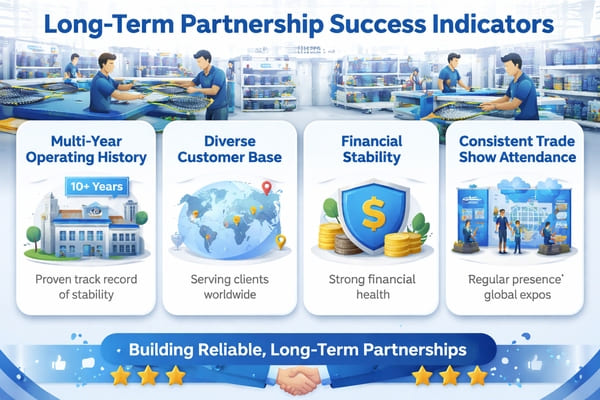
Building trust requires transparency and consistent performance over time. Here’s what separates reliable partners from risky suppliers:
Partnership Reliability Assessment
| Reliability Factor | Warning Signs | Professional Factory Indicators |
|---|---|---|
| Operating History | <3 years in business | 5+ years padel focus |
| Customer Base | Single market dependency | Multi-continent distribution |
| Communication | Delayed responses, language barriers | English-fluent team, 24hr response |
| Financial Stability | Payment pressure, changing terms | Stable credit terms, transparent |
| Production Capacity | Vague capacity claims | 5+ production lines |
| Trade Presence | No international exposure | Regular European/US trade shows |
Operating history demonstrates survival through market cycles and business challenges. At PDK, we’ve manufactured padel equipment for six years, weathering COVID disruptions, material shortages, and shipping crises. This experience taught us flexibility and problem-solving that newer factories lack. We’ve maintained relationships with distributors from our first year, proving our commitment to customer success beyond initial orders.
Customer diversification indicates factory stability and adaptability. Factories dependent on one or two large customers face existential risk if those relationships end. PDK serves active distributors across Europe, America, and the Middle East. This diversity spreads risk while exposing us to varied market requirements that improve our capabilities.
Communication infrastructure makes or breaks international partnerships. Our customer service team includes English-fluent account managers who understand Western business culture and communication styles. We respond to inquiries within 24 hours, provide detailed progress updates during production, and proactively communicate potential delays or issues. Video calls and factory tours via video conference build personal relationships across distances.
Production capacity transparency prevents over-commitment disasters. Some factories accept orders beyond capacity, then scramble to outsource production to unknown third parties. We clearly communicate our five production lines’ capabilities and current utilization. When we approach capacity limits, we discuss realistic lead times rather than making promises we cannot keep.
Financial transparency reduces partnership risk on both sides. We offer standard 30% deposit, 70% before shipping terms to established customers. Our banking relationships with international trade finance institutions provide payment security. We share business licenses, export certifications, and factory inspection reports from customers who authorize disclosure.
Intellectual property protection matters critically for brand-building distributors. We sign comprehensive NDAs before discussing custom designs. Our contracts include non-compete clauses preventing us from selling your designs to competitors. We maintain separate mold storage for each customer’s proprietary tooling. These protections let you invest in unique designs without fear of copying.
Scalability planning supports growing partnerships. Distributors testing new markets start with 200-unit orders but need confidence we can scale to 2,000+ units as demand grows. Our five production lines provide capacity headroom while maintaining quality consistency. We’ve grown alongside partners from startup distributors to established brands moving 10,000+ rackets annually.
Conclusion
Professional padel racket factories in China deliver 30-40% cost savings while maintaining quality through systematic manufacturing processes, dedicated QC teams, and transparent operations. Reliable long-term partnerships require selecting established factories with proven track records, diverse customer bases, and commitment to customer success beyond initial transactions.